

-
1730
Giovanni Battista Busiri Painting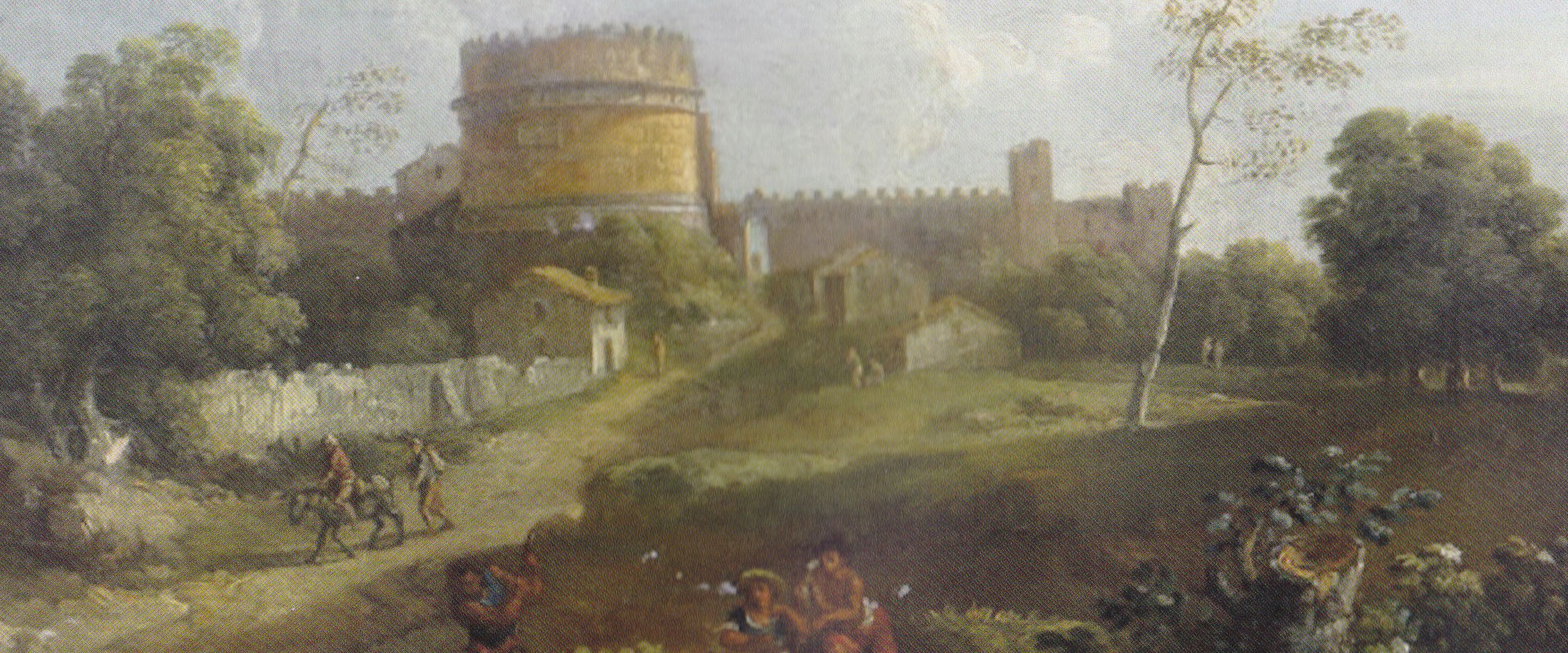
-
1750
F. Duflos Engraving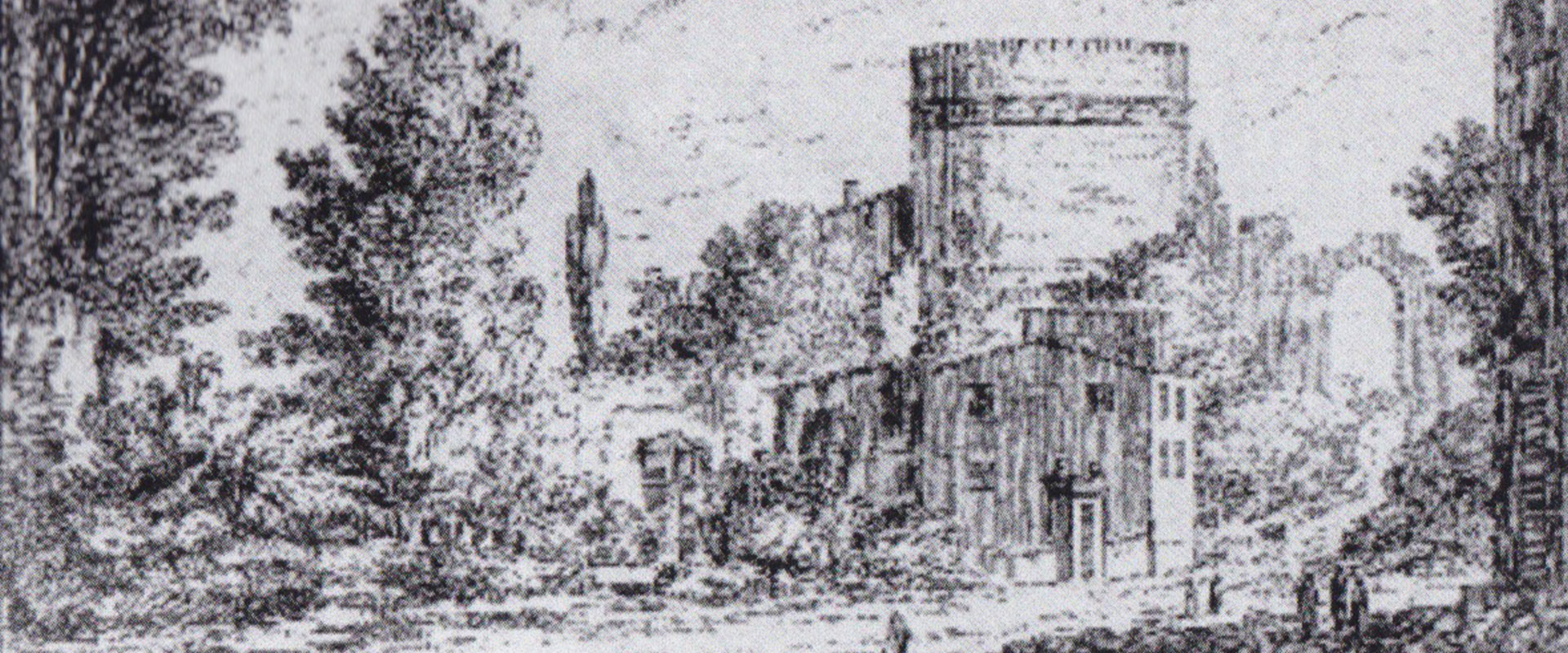
-
1804
Angelo Uggeri Engraving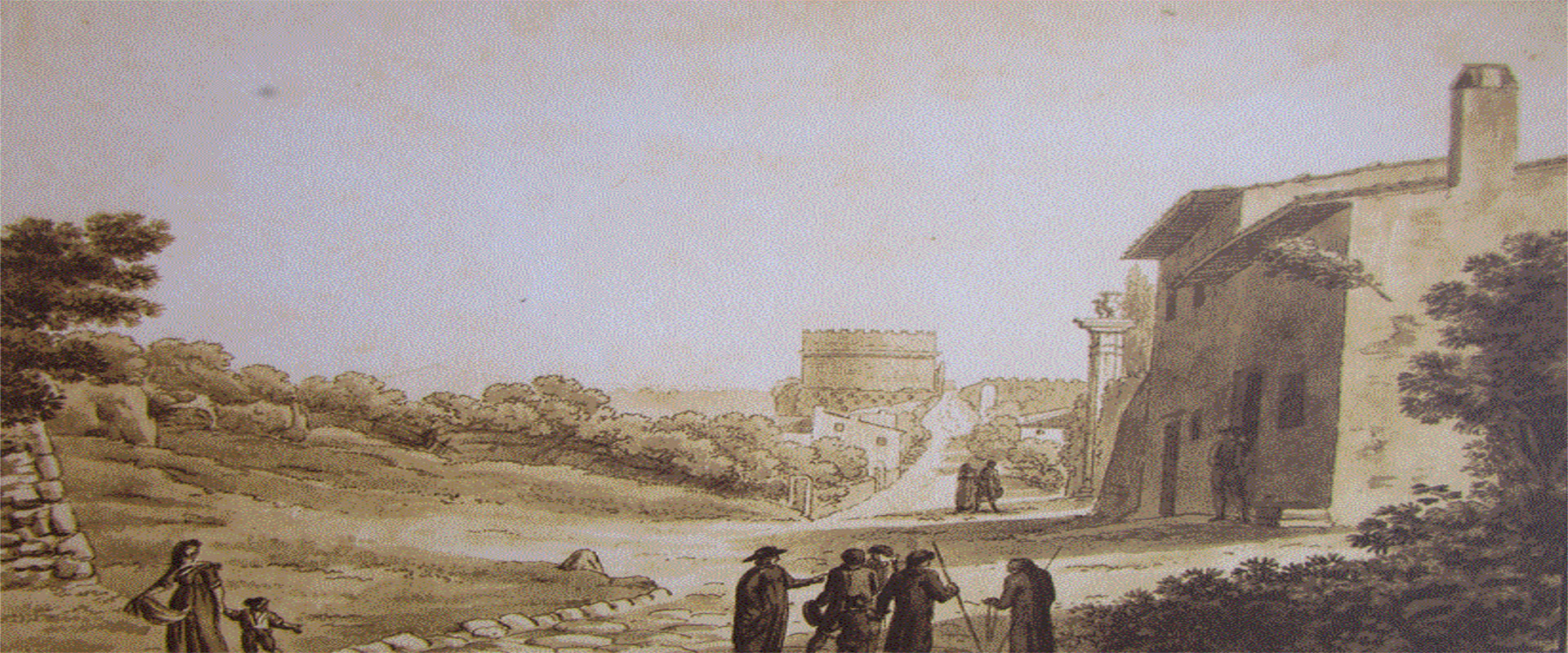
-
1819
J. M. W. Turner Engraving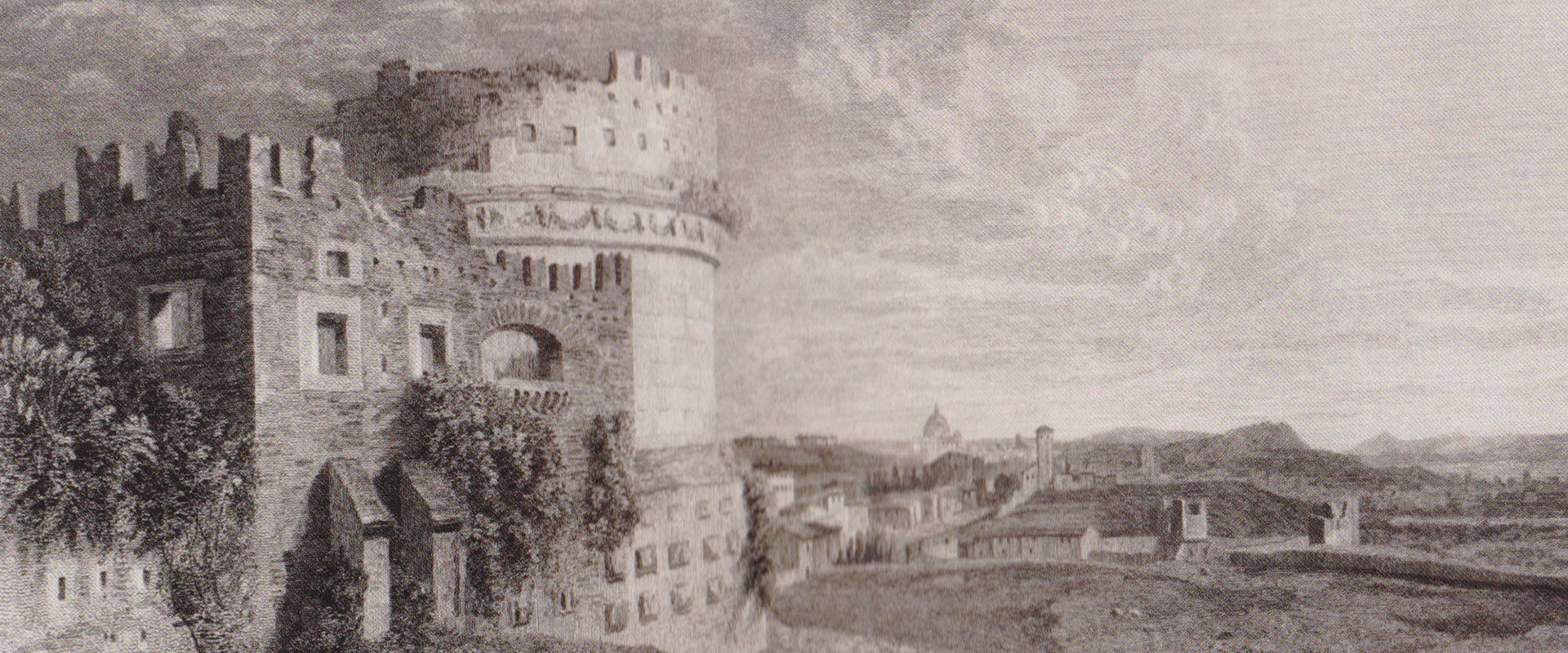
-
1860
Albumin from negative to wet collodion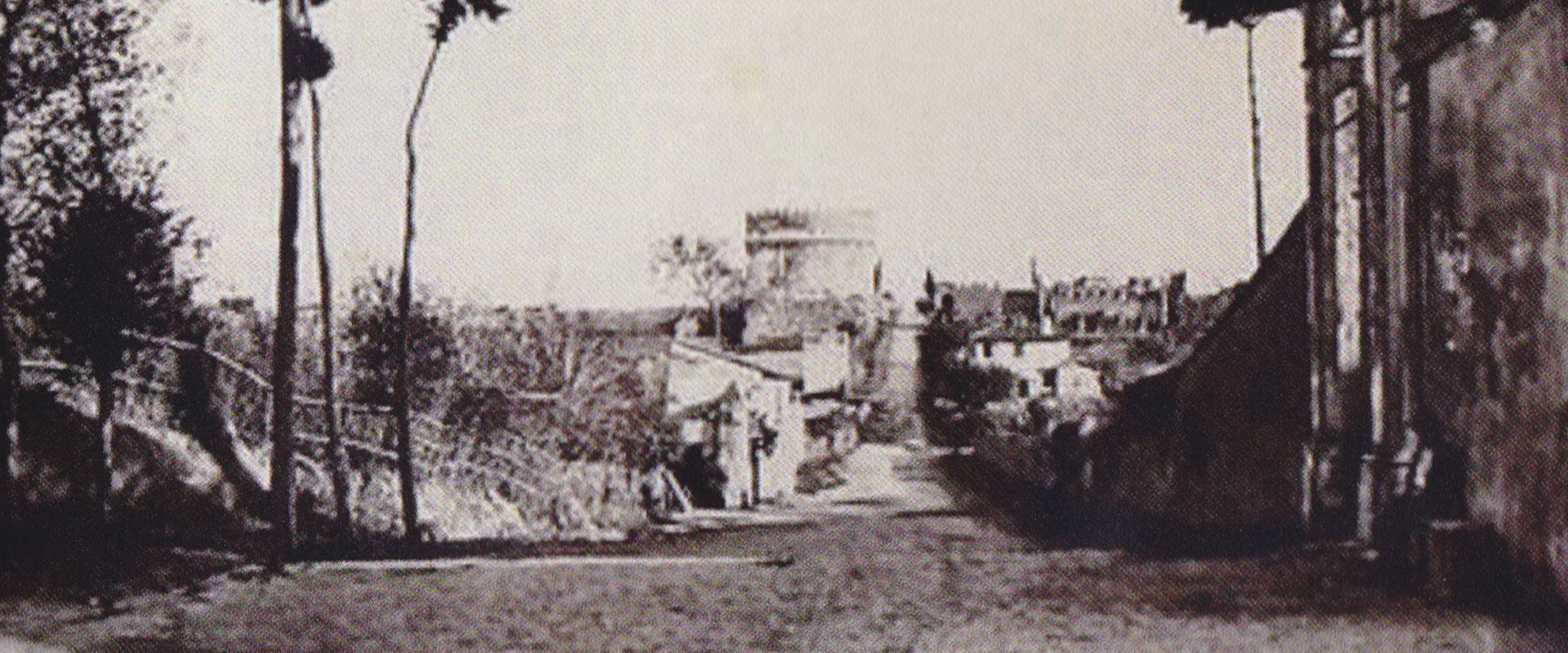
-
1876
Ascan Lutteroth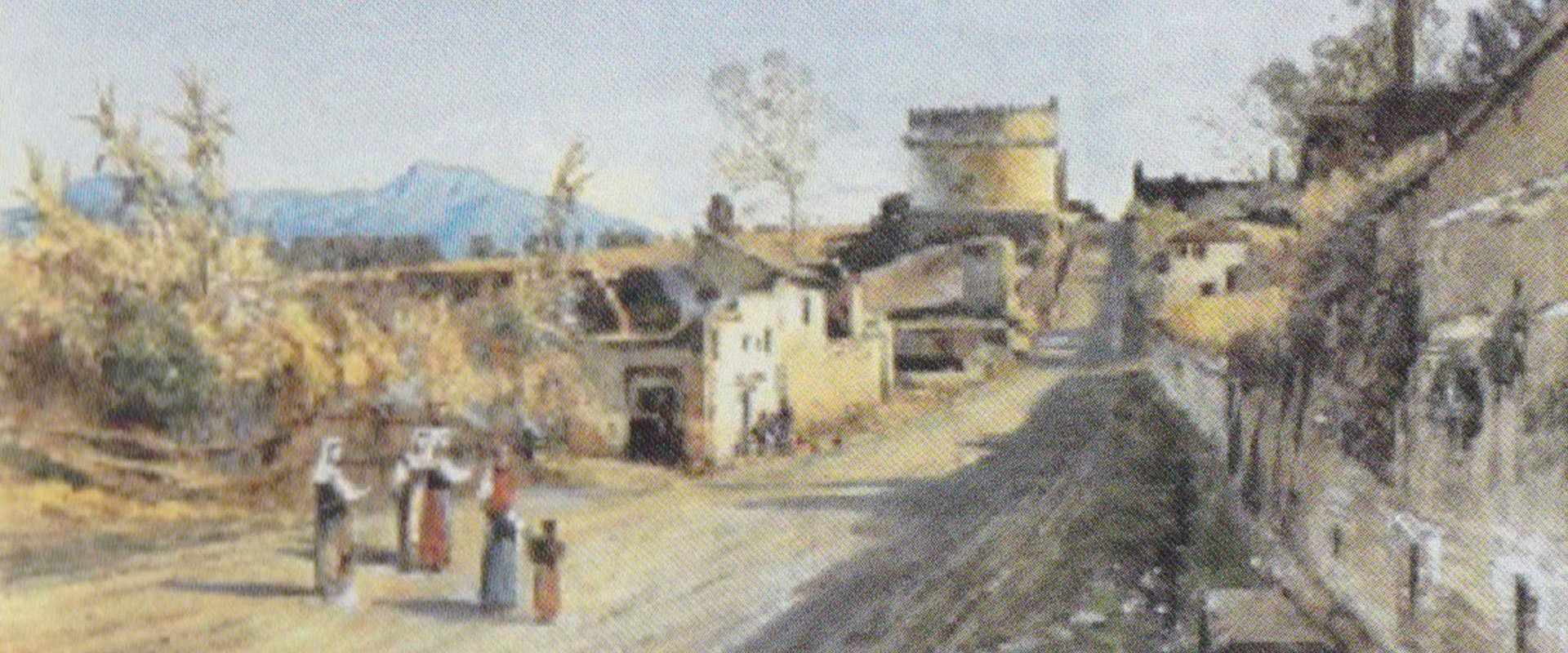
-
1880
Albumin from negative to wet collodion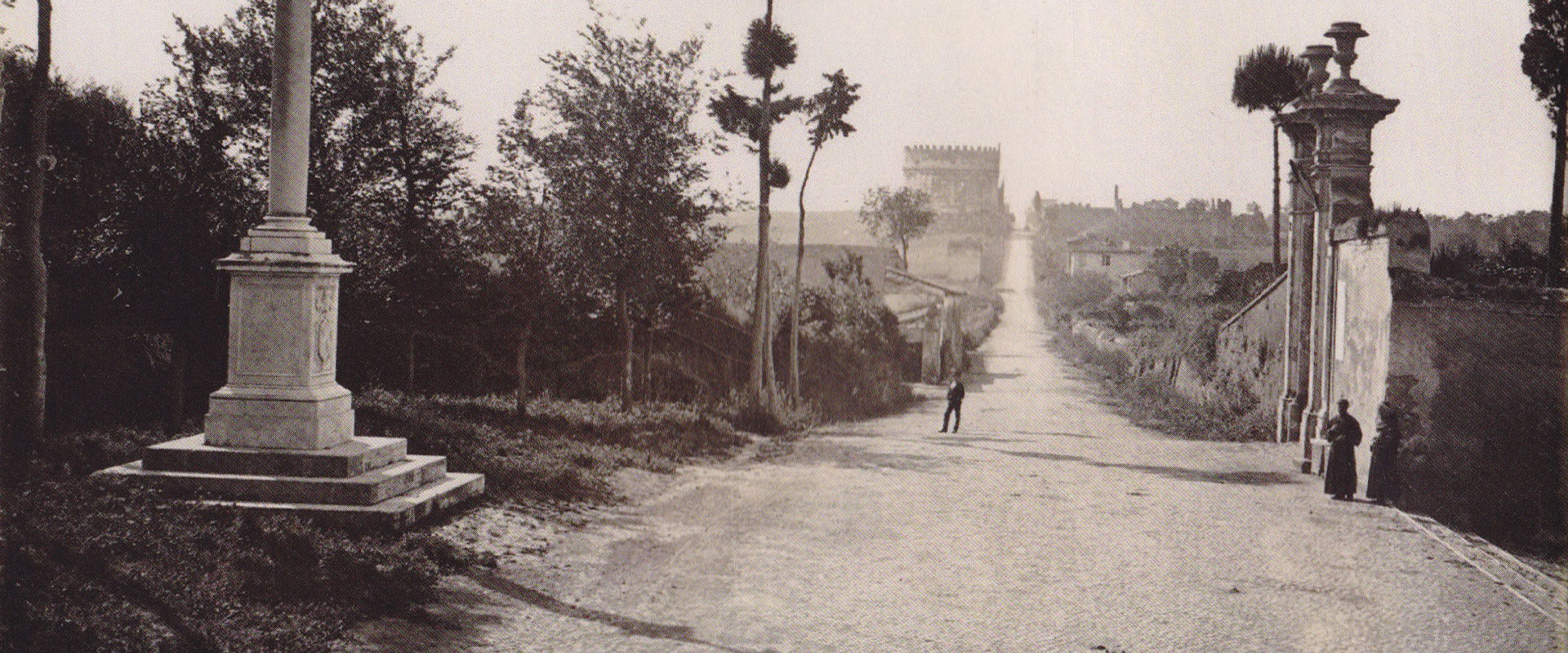
-
1885
Postal Card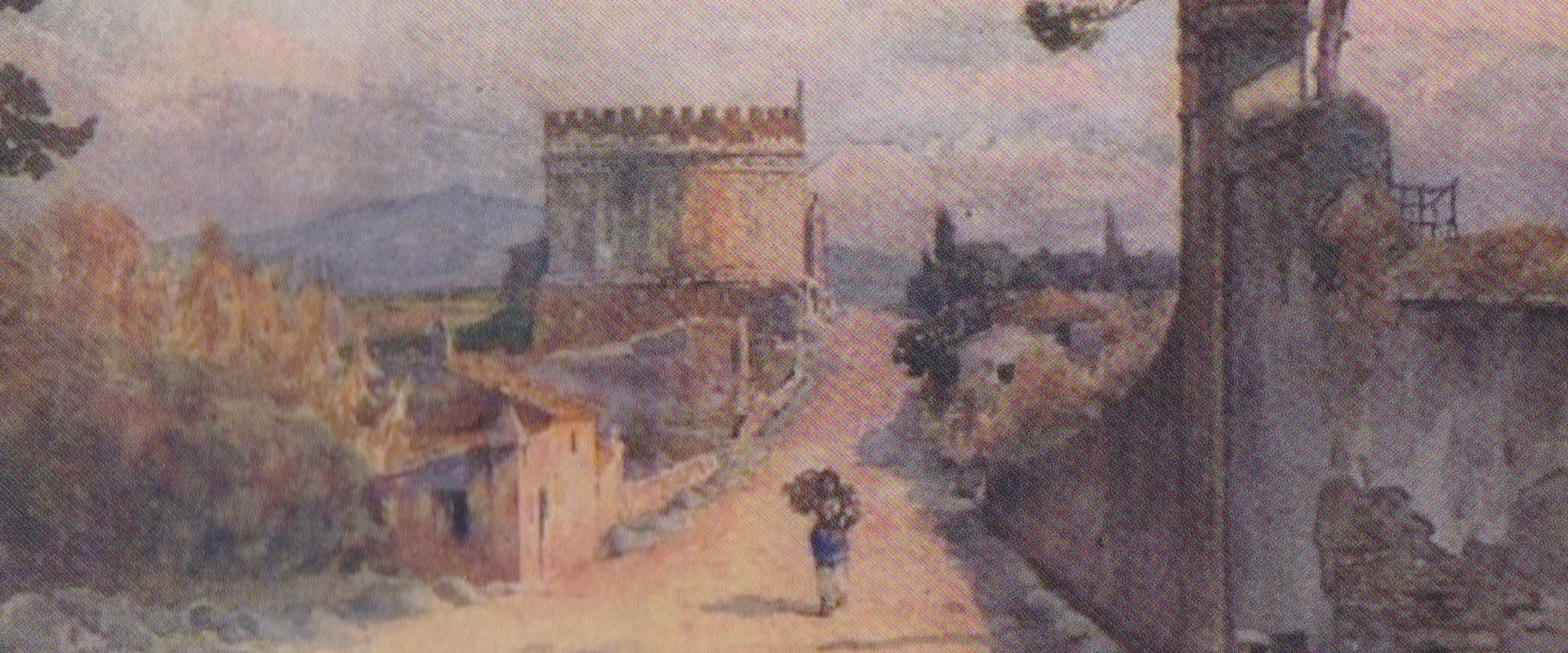
-
1886
Postal Card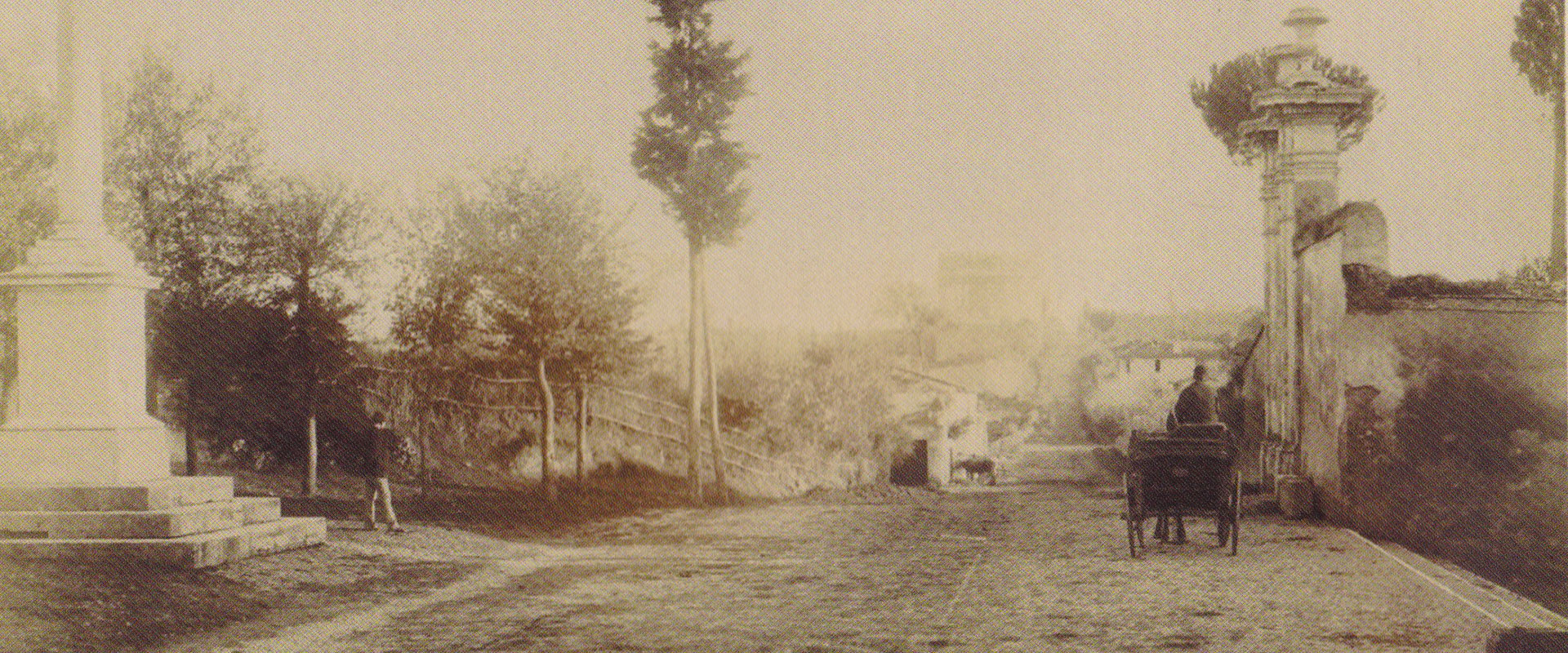
-
1889
Postal Card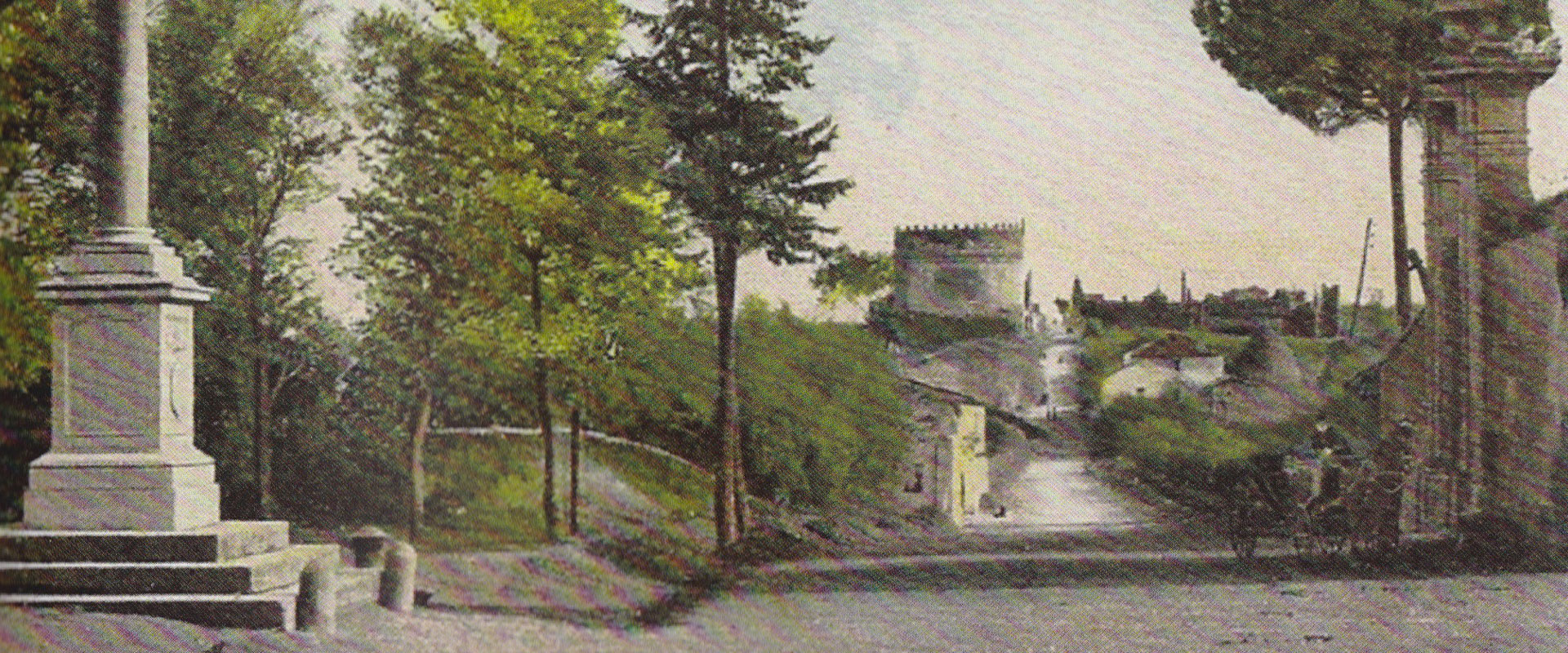
-
1891
Postal Card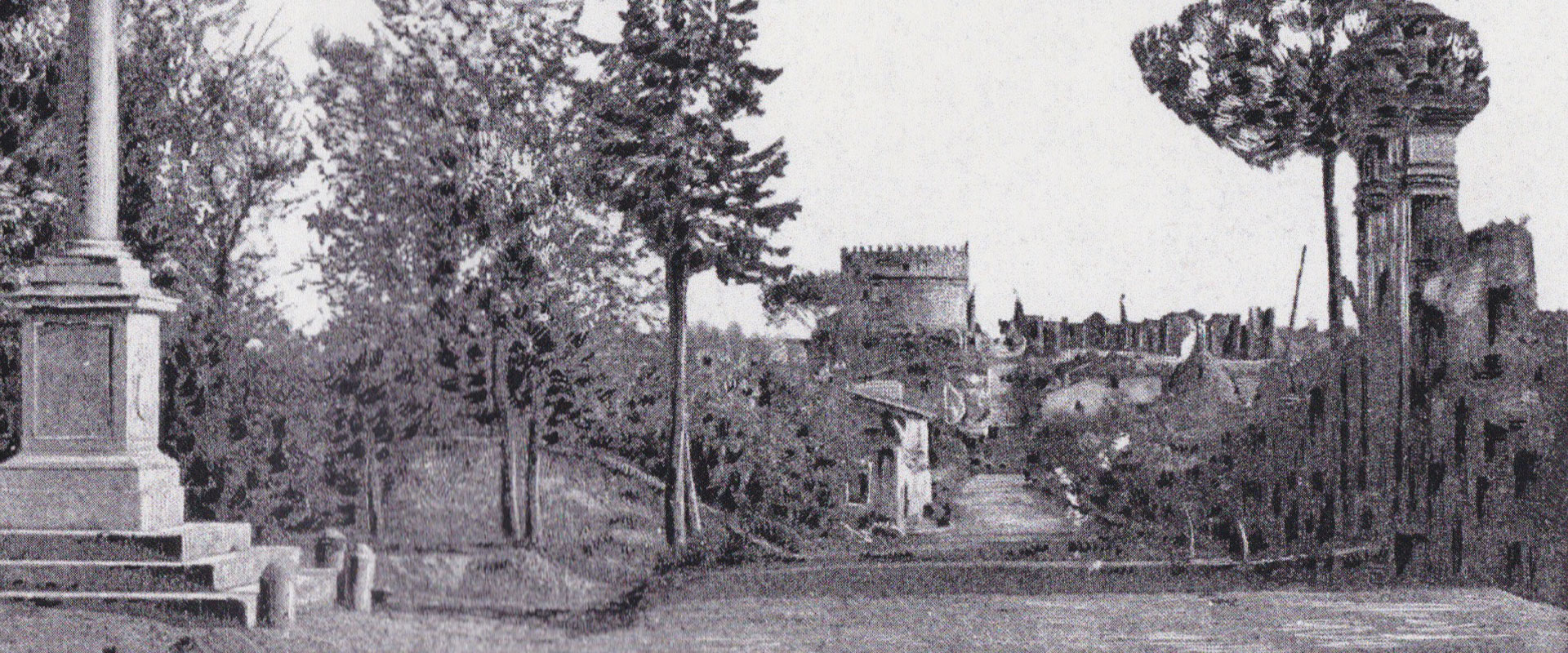
-
1897
Silver bromide jelly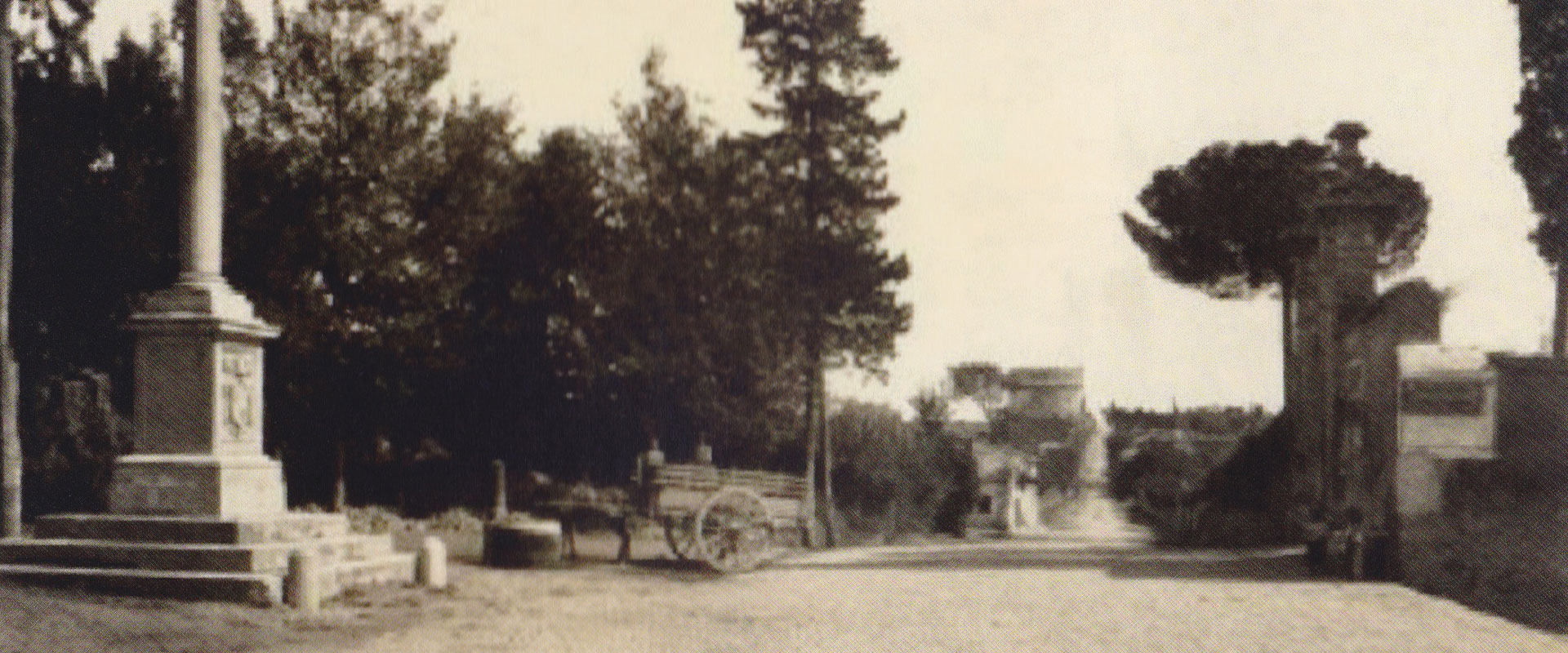
-
1900
Photo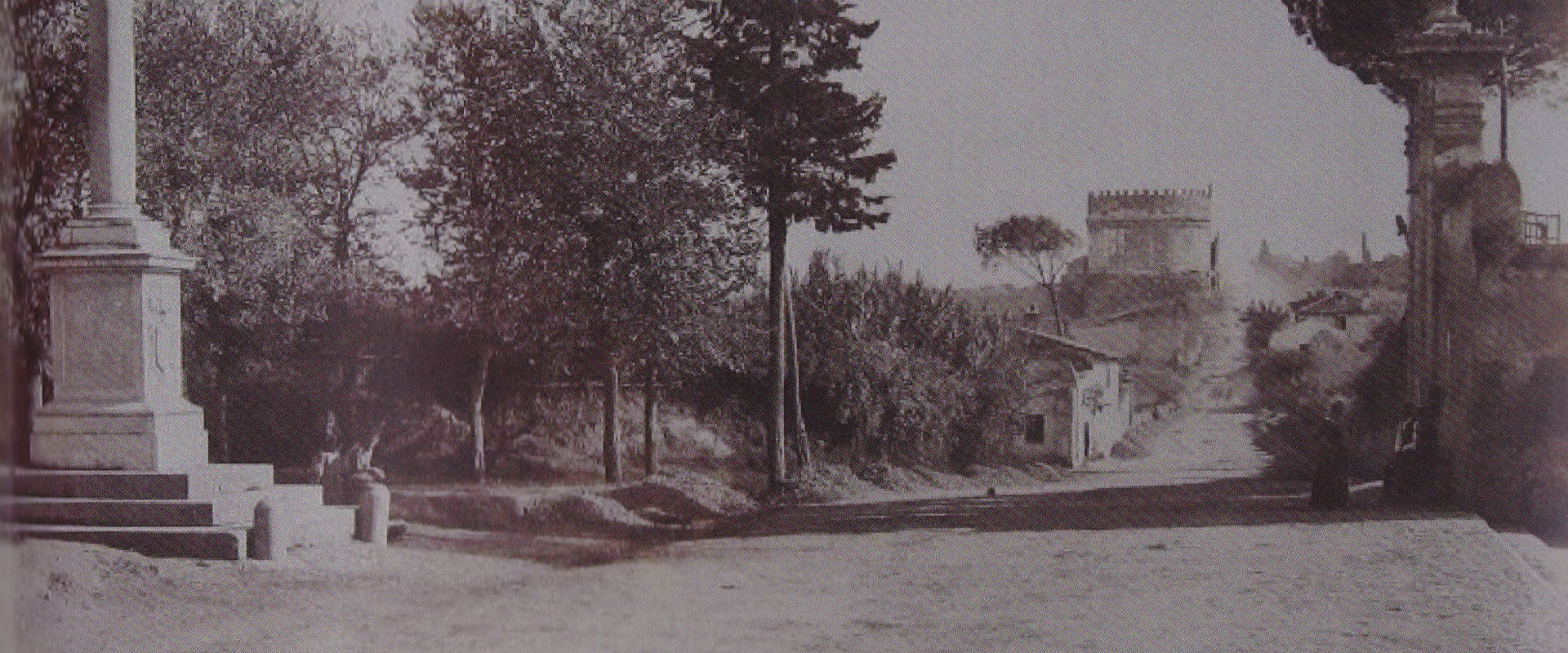
-
1910
Postal Card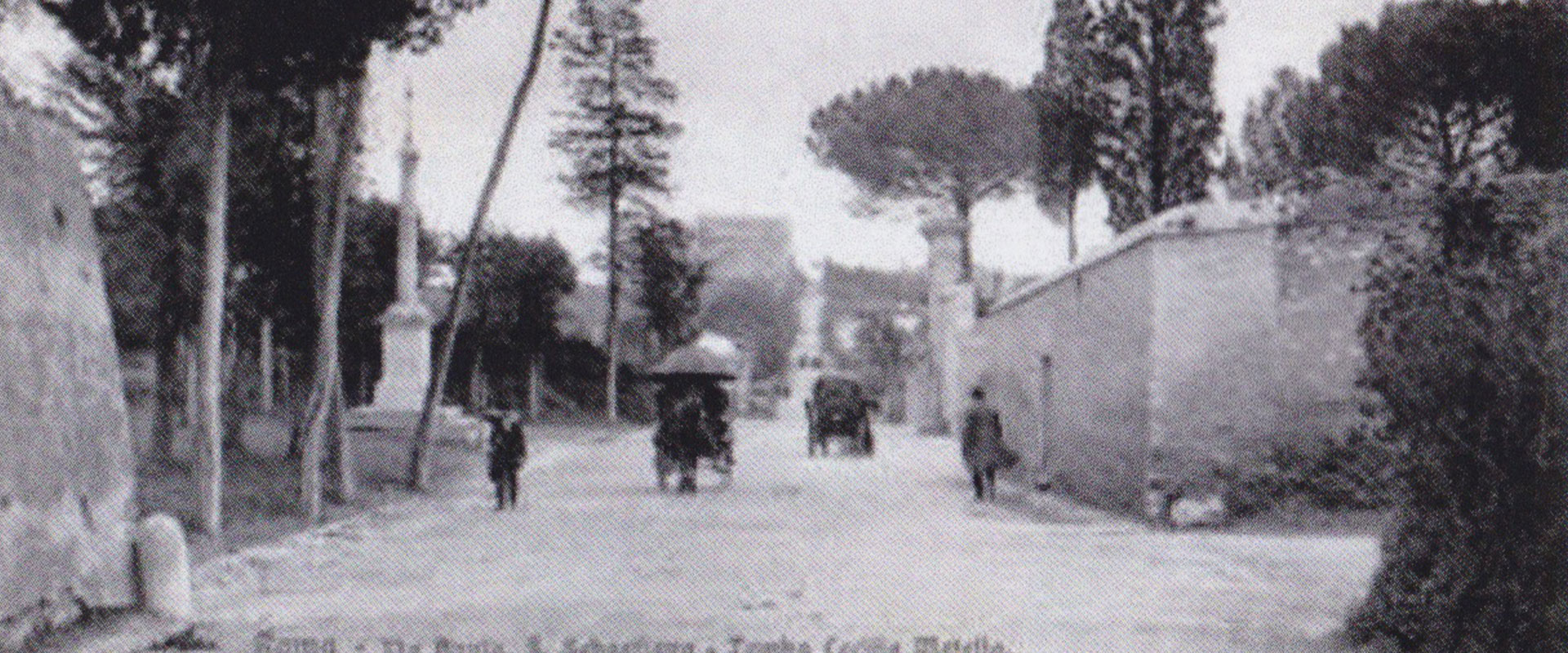
-
1920
Postal Card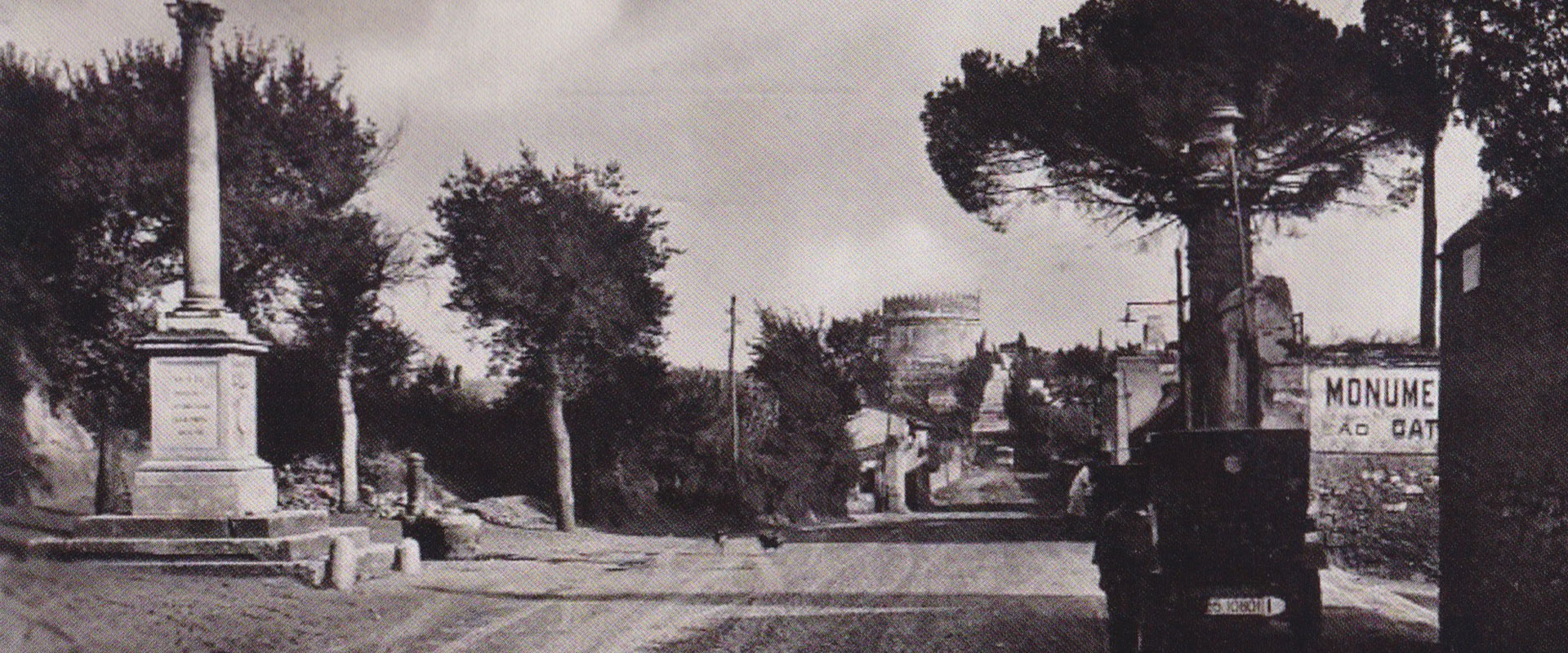
-
1921
The photo taken in 1921 by Tomas Ashby portrays the American archaeologist Esther Van Deman next to the sepulcher which is currently housed inside the restaurant "Archeology"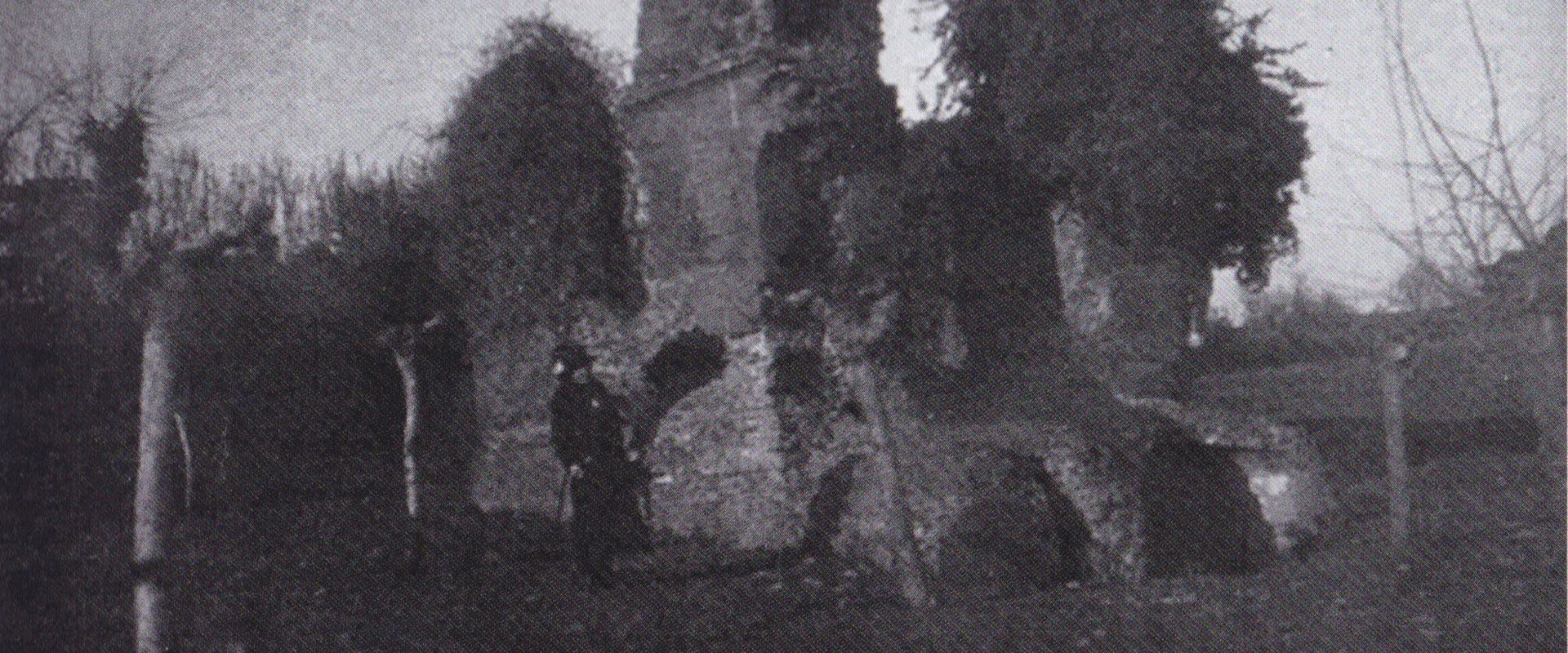
-
1930
Postal Card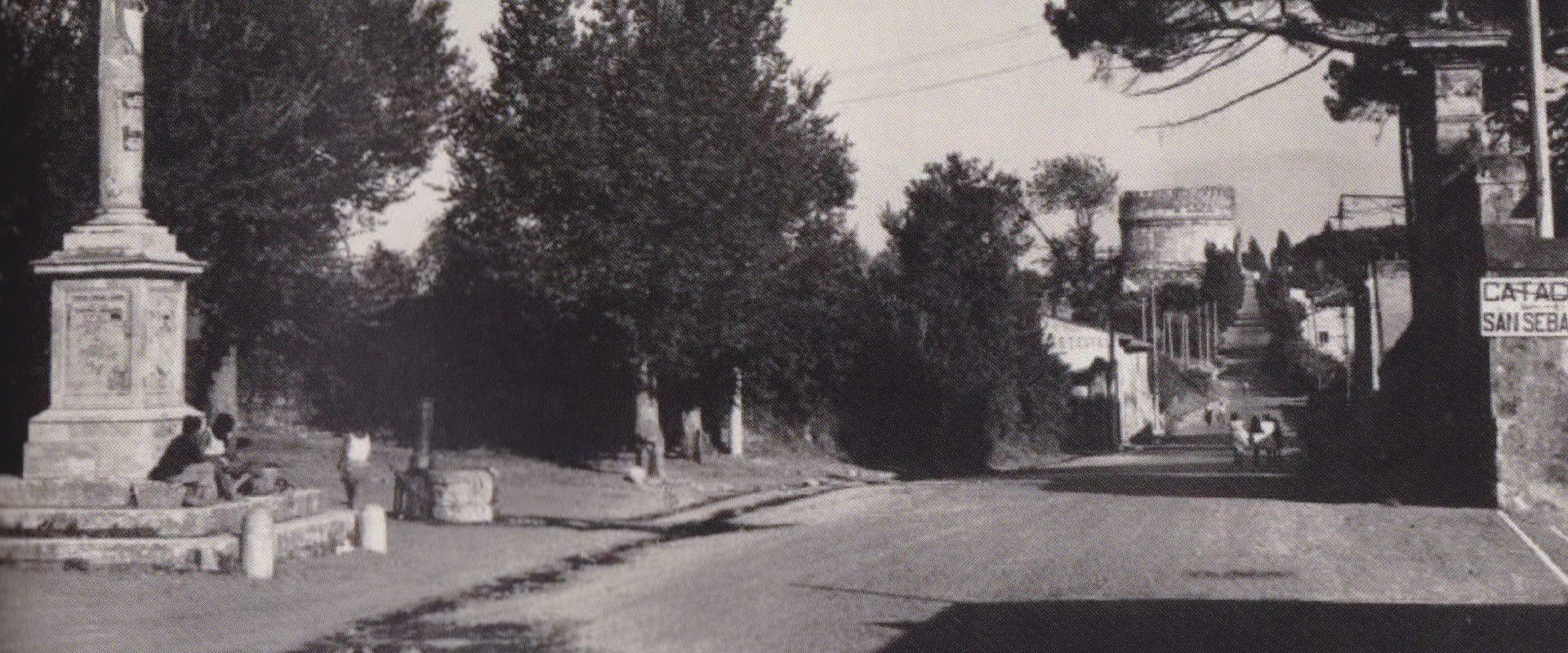
Our story begins in 1804
From its origins to the present day
L’Archeologia was once an ancient coaching station where horses were changed and a prestigious meeting place for artists and merchants travelling from the Mediterranean. Today, the imposing remains of a Roman tomb provide a backdrop to the garden and the wisteria that has been flowering over the pergola for more than 300 years, creating a striking interplay of light and shadow.
Its foundation in 1804 is documented by an engraving by Angelo Uggeri from the same year, which describes the place as follows: «…on the right-hand side stands the inn built over funerary remains, whose exterior shows the large stones of which these structures were made…».
L’Archeologia is where culture and cuisine meet, where ancient and contemporary come together, and where the pleasure of good food meets a love for the history of Rome.


The first 3D photograph
In 1903, during one of the many Grand Tour journeys, Ristorante L'Archeologia was captured in a stereoscopic photograph, one of the early photographic techniques capable of creating an illusion of three-dimensional depth.
Stereoscopic photography used two images taken simultaneously from slightly different viewpoints. When viewed through a special viewer, the two images created the perception of a three-dimensional scene.
Above the entrance door, the photograph shows a frasca, a traditional branch sign indicating that the inn was serving new wine at the time.